VN
VN 
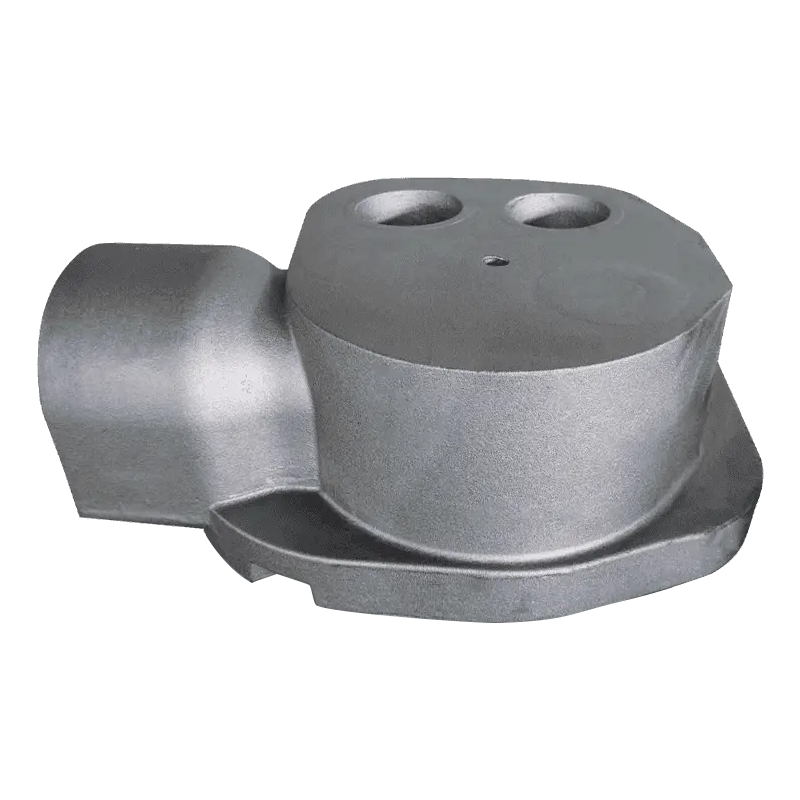
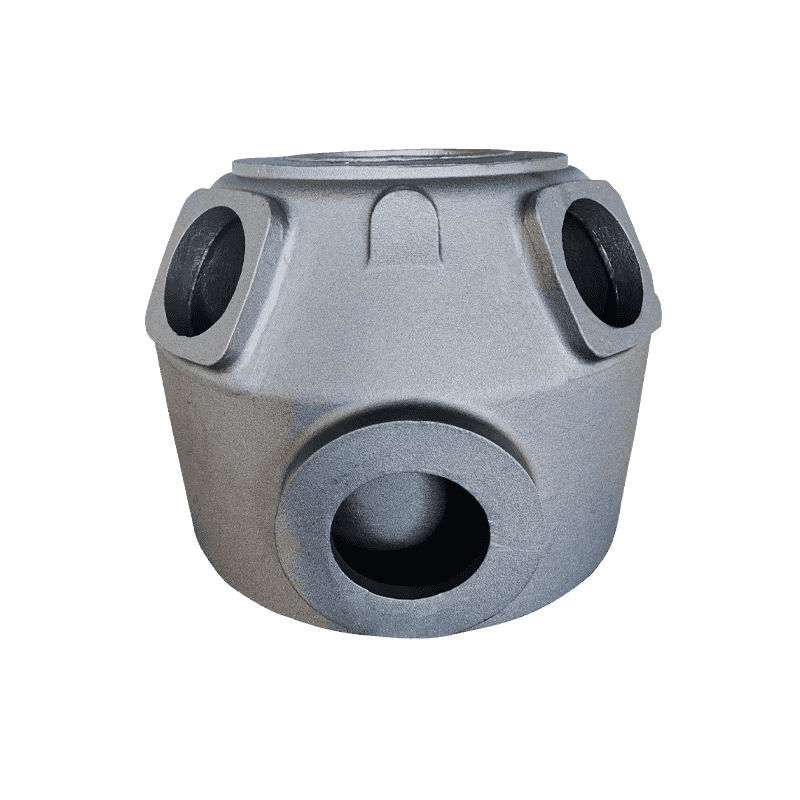
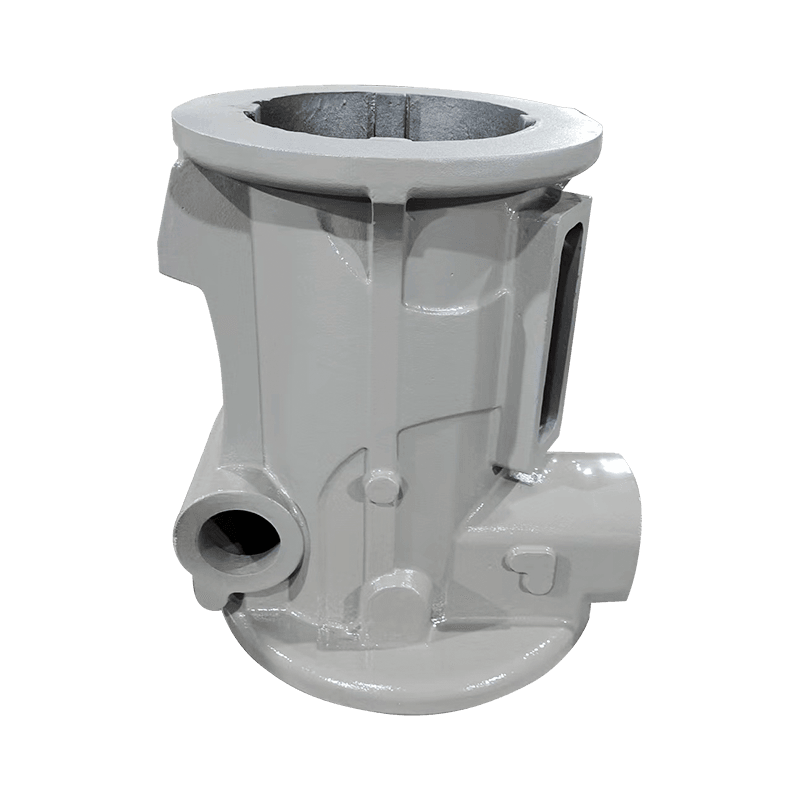
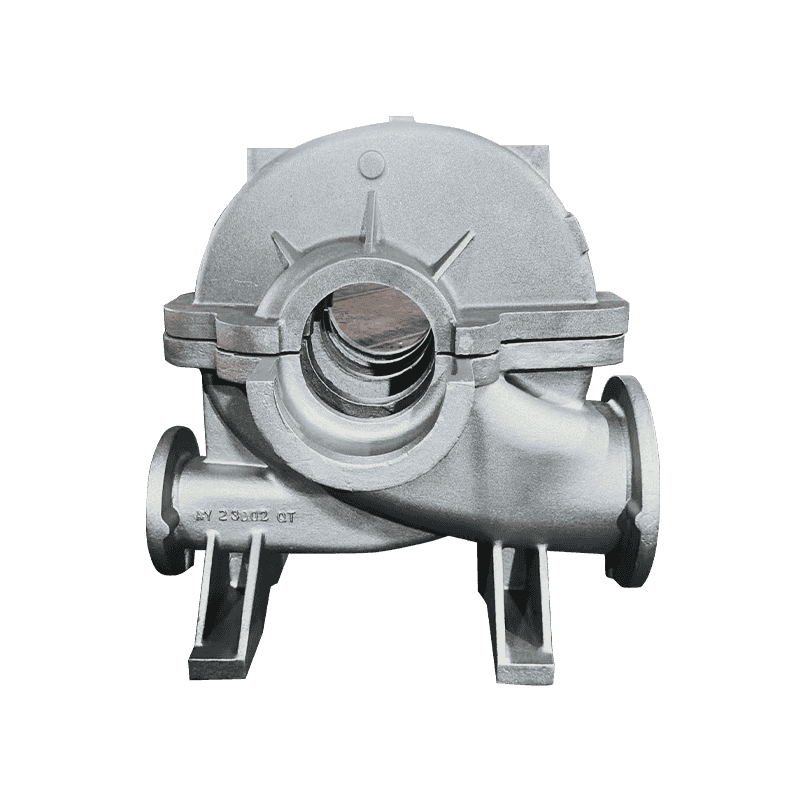
Ductile iron parts perform reliably under cyclic thermal loading up to approximately 350°C (662°F), making them a practical choice for many industrial and mechanical applications. Beyond this threshold, the nodular graphite microstructure that gives ductile iron its characteristic toughness begins to degrade, leading to oxidation, dimensional instability, and loss of mechanical strength. For applications operating within safe temperature ranges, ductile iron parts offer excellent thermal fatigue resistance — far superior to gray iron — provided that design, grade selection, and maintenance practices are properly applied.
Understanding Cyclic Thermal Loading in Ductile Iron Parts
Cyclic thermal loading refers to repeated heating and cooling cycles experienced by a component during service. For ductile iron parts, these cycles introduce thermal stresses due to differential expansion and contraction within the material. Unlike static heat exposure, cyclic loading is cumulative — small amounts of microstructural damage accumulate over thousands of cycles, eventually leading to cracking or dimensional distortion.
The nodular (spheroidal) graphite structure in ductile iron plays a critical role in managing thermal stress. Because graphite nodules act as stress concentrators rather than stress raisers in a crack-propagating sense, they help absorb and distribute thermal energy more effectively than the flake graphite found in gray iron. This is why ductile iron parts typically exhibit 2–3 times better thermal fatigue resistance than gray iron equivalents under identical cycling conditions.
Temperature Thresholds to Avoid
Understanding the critical temperature boundaries is essential when specifying ductile iron parts for thermally demanding environments. Several key thresholds define operational safety:
- Below 350°C (662°F): Safe continuous service range. Mechanical properties remain stable, with minimal microstructural change under cyclic conditions.
- 350°C – 450°C (662°F – 842°F): Caution zone. Oxidation accelerates and graphite nodules may begin to coarsen, gradually reducing tensile and fatigue strength.
- Above 450°C (842°F): Sustained exposure leads to ferritic softening and potential carbide precipitation, significantly compromising structural integrity.
- Above 600°C (1112°F): Rapid graphitization and oxidation occur. Ductile iron parts are not suitable for continuous exposure at these temperatures without specialized alloying.
The rate of temperature change also matters. A rapid thermal cycle from 25°C to 300°C imposes greater stress than a gradual ramp over the same range. Engineering guidelines commonly recommend limiting thermal shock rates to no more than 50°C per minute for standard ductile iron parts in cyclic service.
Mechanical Property Changes Under Thermal Cycling
Repeated thermal cycles cause measurable changes in the mechanical properties of ductile iron parts over time. The table below summarizes typical property retention at elevated temperatures for Grade 65-45-12 ductile iron, one of the most widely used grades in thermally loaded applications:
| Temperature (°C) | Tensile Strength Retention (%) | Yield Strength Retention (%) | Elongation Change |
|---|---|---|---|
| 25 (baseline) | 100% | 100% | Baseline |
| 200 | ~95% | ~90% | Slight increase |
| 300 | ~85% | ~80% | Moderate increase |
| 400 | ~70% | ~65% | Significant increase |
| 500 | <50% | <45% | Unpredictable |
As shown, ductile iron parts maintain respectable strength up to around 300°C. The dramatic drop above 400°C reflects the onset of ferritic softening and carbide decomposition, which is why design engineers apply safety margins and specify alloyed grades for higher-temperature service.
Common Failure Modes in Thermally Cycled Ductile Iron Parts
Recognizing failure modes early enables better inspection scheduling and lifecycle management for ductile iron parts in service.
Thermal Fatigue Cracking
This is the most prevalent failure mode in ductile iron parts subjected to repeated heating and cooling. Cracks typically initiate at stress concentration points — corners, notches, section thickness transitions — and propagate transgranularly through the matrix. In exhaust manifolds and brake drums made from ductile iron, thermal fatigue cracks commonly appear after 50,000 to 150,000 thermal cycles, depending on the amplitude of the temperature swing and wall thickness.
Surface Oxidation and Scale Formation
At temperatures above 300°C, the iron matrix begins to oxidize, forming a surface scale that can spall during cooling. This is particularly problematic for ductile iron parts in exposed or pressurized environments, as scale detachment can contaminate flow systems or create localized stress risers on the component surface.
Dimensional Growth and Distortion
Ferrite-to-austenite phase transformations during heating can cause irreversible dimensional changes in ductile iron parts over repeated cycles. This phenomenon, sometimes called "growth," is measured in hundredths of a millimeter per cycle and becomes significant in precision-fit components such as valve seats or pump housings after extended service at temperatures above 400°C.
Grade Selection for Cyclic Thermal Applications
Not all ductile iron grades perform equally under thermal cycling. The choice of grade directly influences service life. The following grades are most relevant to thermal applications:
- Grade 60-40-18 (ASTM A536): High elongation (18% min) provides ductility to accommodate thermal strain. Best suited for moderate-temperature cycling below 300°C in structural housings.
- Grade 65-45-12: Balanced combination of strength and ductility, widely used in automotive and pump components with thermal cycling up to 350°C.
- Austempered Ductile Iron (ADI) — Grade 900/600/10: Heat-treated to produce an ausferrite matrix with superior fatigue resistance. ADI ductile iron parts handle thermal fatigue better than conventional grades but require careful management above 350°C where the ausferrite matrix can destabilize.
- Silicon-Molybdenum (SiMo) Ductile Iron: Alloyed with 4–5% silicon and 0.5–1% molybdenum, these ductile iron parts resist oxidation up to 800°C (1472°F) and are the standard choice for exhaust system components and turbocharger housings.
Design Practices That Extend Service Life Under Thermal Cycling
Selecting the right grade is necessary but not sufficient. The geometry and design of ductile iron parts significantly influences their thermal fatigue behavior.
- Minimize abrupt section thickness changes: Uniform wall thickness promotes even cooling and reduces internal thermal stress differentials. A ratio greater than 3:1 between adjacent sections substantially increases cracking risk.
- Use generous fillet radii: Sharp internal corners are primary crack initiation sites. A fillet radius of at least 3mm at all internal transitions is a commonly applied design rule for thermally cycled ductile iron parts.
- Allow for thermal expansion clearances: Ductile iron has a coefficient of thermal expansion of approximately 11–13 × 10⁻⁶ /°C. Assemblies must accommodate this movement to avoid constraining stress build-up.
- Apply protective coatings: High-temperature oxidation-resistant coatings (e.g., aluminum-based or ceramic thermal barrier coatings) can extend the service life of ductile iron parts in oxidizing environments by a factor of 2–4×.
Inspection and Monitoring Recommendations
Ductile iron parts in cyclic thermal service should be subject to scheduled inspection protocols to identify early-stage degradation before component failure occurs.
- Magnetic Particle Inspection (MPI): Effective for detecting surface and near-surface fatigue cracks in ferromagnetic ductile iron parts after every major service interval, or every 25,000 operating cycles in high-frequency thermal environments.
- Ultrasonic Testing (UT): Used to detect subsurface porosity or internal crack propagation in thick-section ductile iron parts. Particularly valuable for components with wall thicknesses exceeding 25mm.
- Dimensional Verification: Precision measurement of critical fits and bores should be performed periodically to detect thermal growth, especially in ductile iron parts operating above 350°C.
- Visual Surface Inspection: Regular visual examination for scale buildup, surface discoloration, or micro-cracking at stress concentration points should be part of any maintenance routine.
When used within their designed thermal limits and supported by appropriate grade selection, geometric design, and maintenance practices, ductile iron parts deliver reliable, long-service performance in the most demanding cyclic thermal environments — from automotive exhaust systems to industrial pump housings and valve bodies.